Slab Leak Detection & Repair in San Marcos, CA
A leak under a concrete slab foundation behaves differently from any other plumbing problem, the water often travels along the underside of the slab before finding a way to the surface, which means the spot where you notice dampness or warmth isn't necessarily where the leak actually is.
📞 24/7 Emergency Line OpenHow We Diagnose the Problem
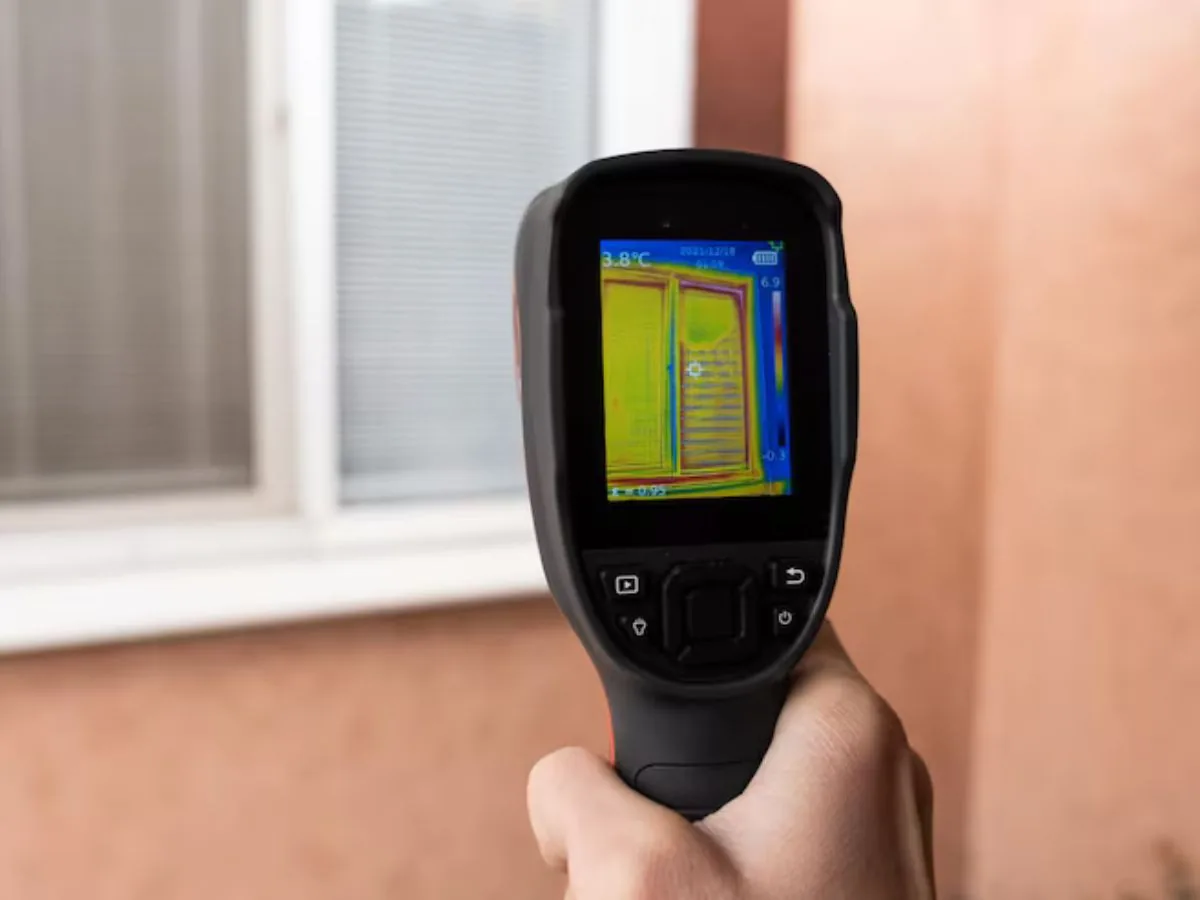
Slab leak detection relies heavily on acoustic listening equipment tuned to the specific sound signature of pressurized water escaping under concrete, along with thermal imaging for hot-water line leaks, which show up as a warm patch on the floor surface. Because water travels before surfacing, the detection process is specifically about tracing the sound or heat signature back to its actual origin point rather than assuming the visible symptom marks the leak location.
How a visit works
Call the 24/7 line
Describe the slab leak detection & repair problem and we book the earliest visit.
We diagnose first
A plumber finds the actual cause first, so the scope and price are clear before work begins.
Repair or replace
You get plain options, a firm explanation, and the work done properly.
Signs You Need This Service
- A warm spot on the floor, especially over a hot water line
- The sound of running water audible through the floor when everything is off
- An unexplained spike in the water bill
- Cracks appearing in flooring or walls near the suspected leak area
- Damp carpet or flooring with no visible external source
What to Do While You Wait for a Slab Leak Visit
Small steps now can limit what the leak does to flooring and the foundation area.
- If a floor feels warm, close the main shutoff and avoid running hot water until the cause is known.
- Check the meter with every fixture off and note whether it still turns.
- Move rugs and furniture away from any damp or warm patch.
- Note any hissing sound, clicking from the walls, or a sudden drop in water pressure.
- Photograph stains, lifted flooring or cracks so the technician sees how things have changed.
Slab Leak Detection & Repair Pricing & What Affects It
Repair approach and cost depend heavily on what the detection confirms, some slab leaks can be accessed through a targeted core drill at the confirmed location, while others are more efficiently addressed by rerouting the line entirely through the attic or an accessible wall path rather than breaking through the slab at all. Both options are discussed with real cost and disruption tradeoffs once the leak is located.
Why Slab Leaks Are Different From Other Leaks
Because the leak is under a solid concrete foundation, water can travel a meaningful distance along the underside of the slab before finding a crack or gap to surface through, which means a warm or damp spot in one room doesn't guarantee the leak is directly beneath it. This is why acoustic detection matters more here than almost any other type of leak diagnosis.
Repair vs. Reroute
Once a slab leak is confirmed and located, there are typically two paths: a direct spot repair accessed through a core drill at the exact leak location, or rerouting the affected line entirely, running new pipe through the attic or an accessible wall cavity to bypass the damaged slab section altogether. Older homes with a known history of slab leaks on the same line sometimes favor rerouting to avoid the same failure recurring.
Hot Water Lines Fail More Often Than Cold
Hot water lines under a slab are more prone to leaks than cold lines, partly due to the expansion and contraction that comes with temperature cycling over years of use, which is also why thermal imaging is a particularly effective detection tool for this specific type of leak.
Slab Leaks and Foundation Age
Homes on original copper plumbing poured directly into the slab, common in certain construction eras, are more prone to slab leaks as that copper ages, since the pipe sits in direct contact with concrete and soil conditions that can accelerate external corrosion over decades, a factor worth mentioning if your home's age and construction type are known.
What Happens if a Slab Leak Goes Unaddressed
Beyond the immediate water bill impact, a slab leak left unaddressed can eventually undermine soil support beneath the foundation in more serious cases, or continue saturating flooring and framing materials until they need full replacement rather than just repair, which is why an unexplained warm spot or water bill spike is worth investigating promptly rather than monitoring indefinitely.
Slab Leaks and Construction Era
Many San Marcos homes sit on slabs, and copper lines poured into them age faster in the older areas around Lake San Marcos than in newer tracts. A warm spot on the floor is the first sign.
Homes in Carlsbad built in the same era show the same pattern. We use acoustic and thermal tools to find the leak before anyone cuts concrete.
Wet Floor, Warm Spot or Water Coming Up From Below
Callers describe slab leaks in plain terms: a patch of floor that stays warm, damp carpet near a wall, bills that climb for no reason, or the sound of running water at night. Any of these deserves a diagnosis before guessing.
The same symptoms can come from a line in the ceiling or a failing fixture, which is why the broader leak detection service is often the first stop.
How the Search Under Concrete Works
The technician typically separates the hot and cold lines, tests them for pressure loss, and then listens along the floor for the leak sound. Thermal scanning can confirm a hot line leak by showing where heat is escaping.
Once the spot is confirmed it is marked on the floor. That mark keeps any opening small and tells you exactly which flooring would be touched.
Condos, Townhomes and Shared Slabs
In an attached home the slab may be shared with neighbors, and the association may have rules about access. Check with the HOA or landlord early so permission does not delay the work.
Frequently Asked Questions
A warm spot on the floor, the sound of running water through the floor, or an unexplained water bill spike with no visible leak elsewhere are the most common indicators specific to a slab leak.
No, detection typically narrows the repair to a small, targeted area, and rerouting the line entirely is also an option that avoids the slab altogether in some cases.
Coverage varies by policy and cause, this is a conversation with your insurance provider, and detection documentation can support a claim.
Yes, if it goes undetected for long enough, persistent moisture under flooring or in a wall base is a common precursor to mold growth, which is another reason prompt detection matters beyond the water bill and structural concerns.
Yes in most cases. Listening gear, pressure tests and thermal scanning narrow the leak down before any floor is opened. Only the confirmed area is cut for the repair.
Detection and repair are priced as separate steps, and the total depends on depth, flooring type, and the pipe affected. Ask for the diagnosis result and the repair options in writing before agreeing to the next step.
Call as soon as you suspect it and say whether the floor is warm or wet, because that helps the dispatcher judge urgency. Same-day openings depend on the schedule that day.
Only the area over the leak is normally affected, and the exact size depends on where the pipe runs. Tile, wood and carpet each need a different approach, so mention your flooring when you call.