Leak Detection in San Marcos, CA
Most leak-detection calls start the same way: something is clearly wrong, a water bill that's climbed with no explanation, a meter that keeps spinning with every fixture in the house off, a warm or damp spot on the floor, but the caller genuinely doesn't know where the water is actually coming from yet. Finding that location is the entire job before any repair conversation starts.
📞 24/7 Emergency Line OpenHow We Diagnose the Problem
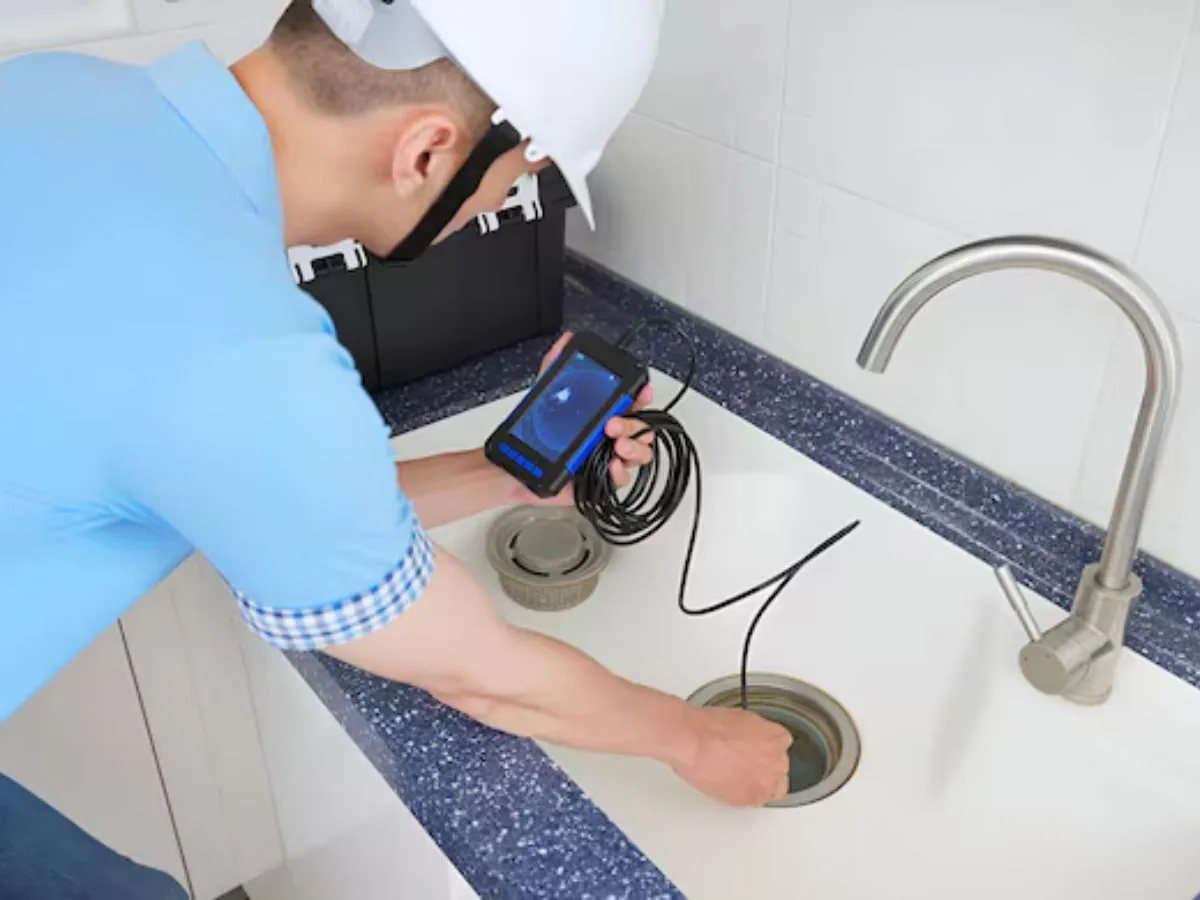
Leak detection uses acoustic listening equipment, and where warranted, thermal imaging, to locate a leak's actual position without guessing or opening walls speculatively. A leak under a slab shows up differently than one behind a wall or under a yard, and using the wrong detection method wastes time and can lead to unnecessary demolition in the wrong spot.
How a visit works
Call the 24/7 line
Describe the leak detection problem and we book the earliest visit.
We diagnose first
A plumber finds the actual cause first, so the scope and price are clear before work begins.
Repair or replace
You get plain options, a firm explanation, and the work done properly.
Signs You Need This Service
- A water bill that's increased without a corresponding change in usage
- The water meter continuing to turn with every fixture in the house shut off
- A warm spot on the floor (often a sign of a hot-water slab leak)
- A damp or moldy smell with no visible standing water
- The sound of running water when nothing is turned on
Before the Plumber Arrives
A few quick checks help the technician reach the source faster and keep the problem from growing.
- Turn off every tap, appliance, ice maker and irrigation timer, then watch the meter dial for a few minutes.
- Photograph the meter reading with the time, and look again after an hour with nothing running.
- Close the main shutoff if water is spreading, a ceiling is dripping, or a floor feels soft.
- Keep people and pets off damp floors and stained drywall.
- Write down where you hear water, smell dampness, or feel a warm patch. Those notes shrink the search area.
Leak Detection Pricing & What Affects It
Leak detection is typically priced separately from the eventual repair, since the location and cause aren't known until the detection is done. Once the leak is located, the repair quote reflects the actual access required, a slab leak needs a very different approach than a leak behind an accessible wall panel.
Acoustic Detection vs. Guesswork
Before acoustic and thermal detection equipment became standard, locating a hidden leak often meant opening drywall or concrete in the general suspected area and hoping to find it. Acoustic listening equipment picks up the specific sound signature of pressurized water escaping a pipe, which narrows the location enough that any necessary opening is targeted rather than exploratory.
Slab Leaks Get Their Own Detection Approach
A leak under a concrete slab foundation behaves differently from one in a wall cavity, the water can travel along the slab before surfacing, which means the spot where you see dampness isn't necessarily where the leak actually is. This is covered in more depth on our slab leak detection page, but it's worth knowing up front if you're seeing a warm or damp spot on a slab-foundation home.
What Happens After the Leak Is Found
Once located, you'll get a clear picture of what's involved in the repair, whether it's a simple accessible fix or something that requires more significant access, before any repair work is authorized. Detection and repair are two separate decisions, made in that order.
Why the Water Meter Is the First Diagnostic Tool
Before any equipment is brought out, a straightforward meter test often confirms whether a leak exists at all and roughly where it sits in the system: shutting off every fixture and the main shutoff valve inside the house, then watching whether the meter still moves, tells you whether the leak is between the meter and the house (the service line) or somewhere inside the home's own plumbing. That single test meaningfully narrows what detection equipment gets used next.
Underground and Yard Leaks
A leak in the line running from the meter to the house, or in an irrigation line, can surface as wet or unusually green patches in the yard well before it's obvious anywhere inside. These are located with the same acoustic methods used indoors, adjusted for the fact that the pipe is buried rather than behind drywall.
Commercial and Multi-Unit Leak Detection
Leak detection on a commercial property or multi-unit building follows the same acoustic principles but usually involves a larger footprint and more potential source points, shared supply lines, multiple water heaters, or irrigation systems serving a larger lot. Scheduling and access coordination differ from a single-family home call, but the underlying detection approach is the same.
Where Hidden Leaks Tend to Show Up
A climbing water bill is the usual reason people call. In Carlsbad and Oceanside, irrigation and hot-line leaks tend to lead the list near the coast. Inland in San Marcos, slab leaks in older homes are more typical.
Larger lots in Twin Oaks Valley add a different problem. Long buried supply runs and landscape lines can leak for months before anything shows at the surface.
A Meter That Keeps Moving When Nothing Is On
A spinning dial with every fixture off is the clearest sign of hidden water loss. Many meters also have a small low-flow indicator that moves with even a trickle.
Before looking for a buried pipe, the technician rules out the quiet culprits. A toilet flapper that seeps into the bowl can raise a bill all by itself. If that is the cause, the toilet repair page covers the fix.
Can You Repair It, or Only Find It?
Finding the leak and fixing it are two separate steps, and you can choose how to handle the second one. When parts and access allow, the repair can follow the diagnosis on the same visit. Larger jobs, such as a line under concrete, usually need a scheduled return.
Depending on what is found, the next step may be a slab leak repair, a water line repair, or a pipe section swapped out inside a wall.
When Another Plumber Could Not Find the Leak
Leaks that seem to vanish are often intermittent, pressurized only when a fixture runs, or hidden under flooring that muffles sound. Tell the dispatcher what was already tried so the new visit starts with different tests.
Depending on the situation, the technician may isolate sections of pipe with a pressure test, listen with acoustic gear, scan with a thermal camera, or run a camera through a drain line. Ask which of these fits your case before the visit.
Stained Ceilings, Wet Walls and Crawlspace Pipes
Water travels along joists and pipes before it shows, so the stain is rarely right under the source. In a home with a raised foundation, pipes can often be inspected from the crawlspace without opening a floor.
Pointing out the stain, the room above it, and any fixtures nearby gives the technician a place to begin.
Houses, Rentals, Fourplexes and Small Plazas
A single-family home usually has one meter and one shutoff. Duplexes, triplexes, fourplexes and townhomes often share a line, which makes isolating the leaking section the first task.
Property managers can speed things up by sharing the unit layout and shutoff locations. Larger sites are covered on the commercial plumbing page.
Frequently Asked Questions
In most cases, yes, acoustic and thermal detection locate the leak without exploratory demolition. Some opening is usually still required for the repair itself, but it's targeted to the confirmed location.
Modern acoustic detection typically narrows a leak's location to a small, specific area rather than a general zone, which is what allows for a targeted rather than exploratory repair.
That's still within scope, leaks on the service line between the meter and the house are detected and addressed the same way as leaks inside the home.
It usually points to water escaping somewhere on the property. A dripping toilet is the most common harmless-looking cause, so that gets checked first. If the dial still moves after that, a line leak is likely and detection is the next step.
The goal is to narrow it to a small area and mark that spot on the surface so any opening stays limited. How tight the result is depends on pipe material, depth, and what covers the line.
The price depends on the size of the property, how many areas must be checked, and whether the line is under concrete. Ask the dispatcher how the visit is priced when you call, and ask for the scope in plain terms before work begins.
Many callers want a same-day visit. The dispatcher can tell you the earliest opening once you describe the problem, and availability depends on the day and on other urgent jobs. If water is spreading, close the main first.
Irrigation work is not one of the listed services. A leak on the main supply line before the irrigation valves is a normal detection job, so describe where the water appears when you call.